
If vLLM already solved LLM serving, why did SGLang appear?

Updated on
Published on
By

Table of Content
About the author

There’s a moment in every AI deployment where building the model stops feeling like the hard part – running it does. You start questioning whether you can run your model at a volume without the economics falling apart. Not because anything is broken, but because sustained production volume puts pressure on infrastructure in ways that a working prototype never had to deal with.
The signs are easy to miss at first because the system keeps working. Requests go out, responses come back, and nothing raises an obvious alarm. But costs are quietly running ahead of projections, latency is less consistent than it used to be, and the team is spending more time managing infrastructure behavior than they expected to at this stage.
Most AI systems don’t fail dramatically at scale, they degrade. Latency creeps up, costs climb past what the original projections budgeted for, and shared environments start introducing variability that’s hard to predict and harder to explain.
What actually breaks first:
None of these are model problems. They’re infrastructure problems. And they tend to arrive together.
Shared cloud GPU infrastructure makes sense early.
You can move fast, provision on demand, and keep experimentation flexible.
Most teams start there, and should.
The problems show up once inference becomes continuous. Shared environments introduce performance variability. When inference becomes continuous, teams often standardize on AI inference as a service to keep serving predictable under real load you can’t control. Latency shifts depending on what other tenants are doing, not just what your workloads are. Token economics that looked manageable and the unpredictable cost curve, is the same tension described in the GenAI product trilemma, where teams end up trading off speed, control, and predictability. At moderate volumes they compound quickly once you’re running billions of requests. And once a proprietary fine-tuned model starts carrying real commercial logic, a multi-tenant environment starts looking like a liability rather than a convenience.
General-purpose infrastructure wasn’t designed to optimize around sustained production inference. That’s not a criticism – it’s just what it was built for. The distinction stops being theoretical once your AI system is sitting inside a live transactional workflow and the infrastructure underneath it is behaving unpredictably.
ITQ Technologies, Travelport’s exclusive regional partner across India, Sri Lanka, the Maldives, and Bhutan, partnered with Neysa to build a private inference environment on Neysa Velocis Cloud. The goal was to move workloads to different GPUs and build infrastructure specifically around what production inference at this scale actually requires. The Qwen 2.5 7B-Instruct model was deployed on dedicated NVIDIA GPU clusters, fully isolated from other tenants. That isolation handled two things simultaneously: predictable inference performance and complete protection for ITQ’s proprietary model logic as commercial IP.
Neysa’s engineering team optimized the serving stack for production:
The numbers from ITQ’s deployment are worth sitting with:
This is what enterprise inference infrastructure is actually supposed to deliver – not benchmark numbers under ideal conditions. Consistent performance at volume, with economics that don’t require revisiting the business case every quarter.
Handle growing inference workloads with predictable performance and costs.

The ITQ case makes a broader point about where enterprise AI actually runs into trouble.
The model isn’t usually the hard part, because most teams can get a model working. What’s harder is building the infrastructure layer that keeps it working reliably at the volume and latency requirements real production systems demand – while keeping costs under control.
That requires infrastructure designed around inference behavior, not repurposed general-purpose compute. Dedicated environments, workload isolation, and serving stacks optimized for sustained throughput. Cost structures that improve as volume scales rather than compounding against you.
Once AI moves into live transactional workflows, infrastructure quality stops being a backend concern – it’s part of the product.
At that point, teams evaluate an AI cloud platform based on whether it delivers predictable latency, workload-level visibility, and stable economics. If your team is running inference at enterprise volume and hitting the same ceilings ITQ did – it’s a good time to check how Velocis handles it. Take a look at neysa.ai or get in touch with the team for a product walkthrough.
Deploy, run, and scale on infrastructure designed to keep your AI moving forward.

AI research has evolved, necessitating specialized infrastructure like neoclouds that prioritize performance and cost predictability. This enables researchers to execute more experiments efficiently, accelerating discovery and collaboration.
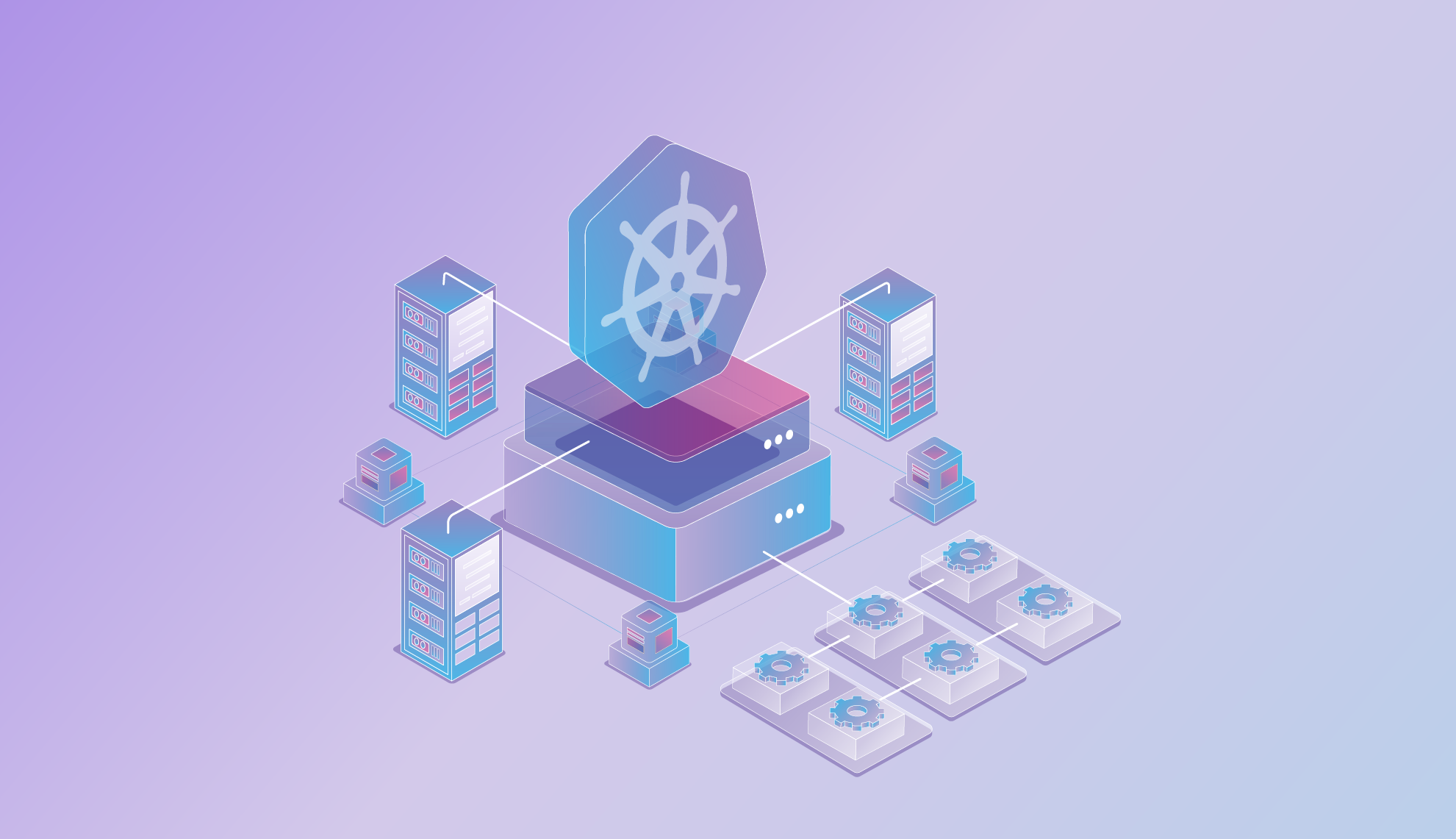
At scale, Kubernetes behaves less like a tool and more like a distributed operating system. Scheduling, recovery, and scaling all depend on how well the control plane and worker nodes interact. Decisions are centralized, execution is distributed, and reconciliation never stops. When these layers drift out of balance, reliability suffers.
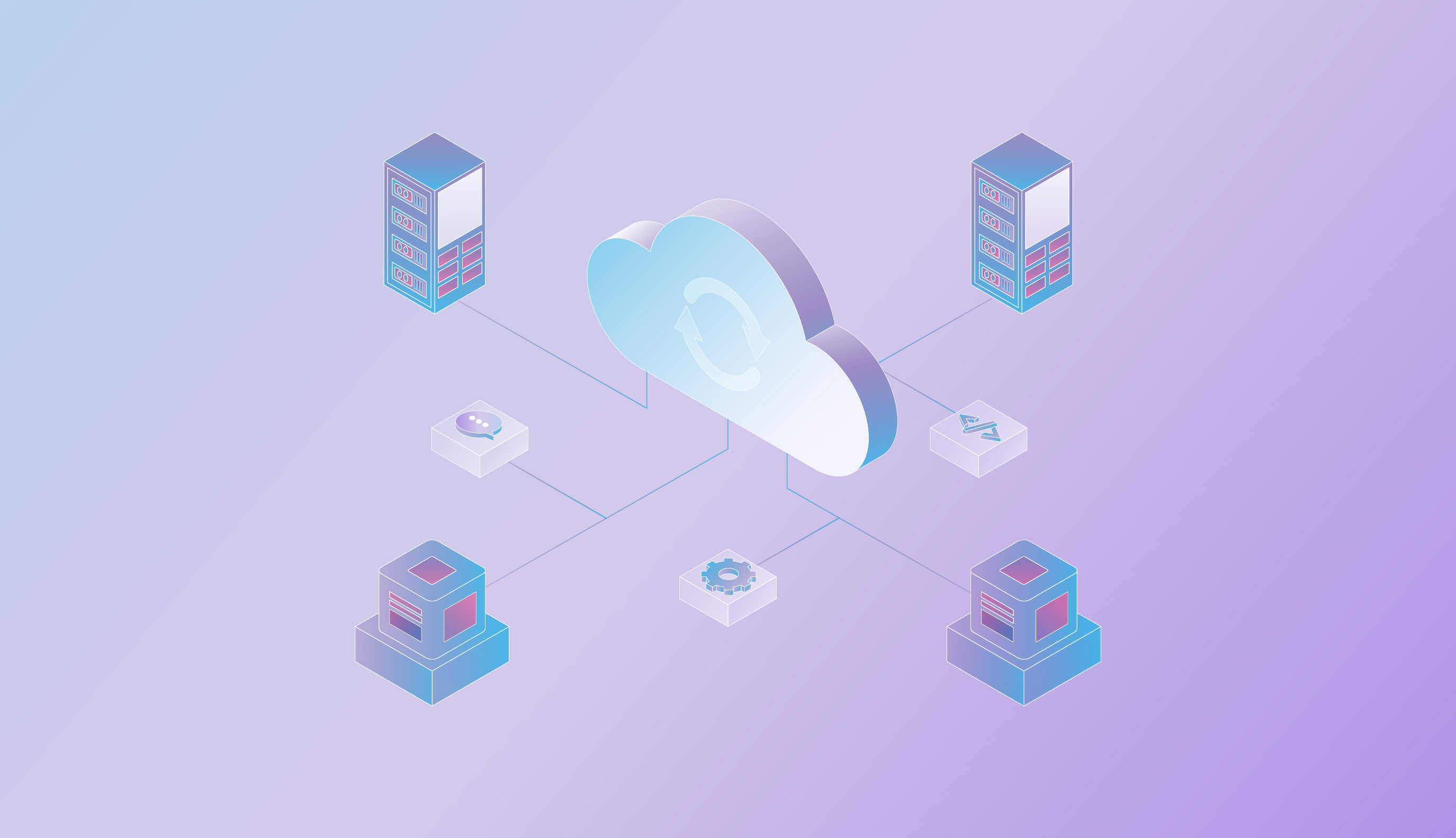
The content discusses the coexistence of virtual machines (VMs) and containers in modern infrastructure, highlighting their distinct roles and complementary strengths in managing workloads, especially within AI contexts and dynamic systems.